


Living in an artificially intelligent world
- Jan 24, 2024
- 3 min read

AI is changing the landscape of media. What does that mean for us as users, and how can know what is safe?
The purpose of this blog post is to promote media awareness and literacy for new forms of technology, specifically AI (I read all of the required sources)
Think back your past self- who you were a couple of years ago. When you heard the term "artificial intelligence" what popped into your brain? For me, it was images of super computers like Jarvis and Ultron, attempted world domination, and eerily realistic robots. AI seemed like a high tech tool that only scientists or billionaires used to make cool things and solve the world's problems.
But when you think of AI now, what comes to your head? TikTok and Snapchat filters? Virtual assistants? Chat GPT?
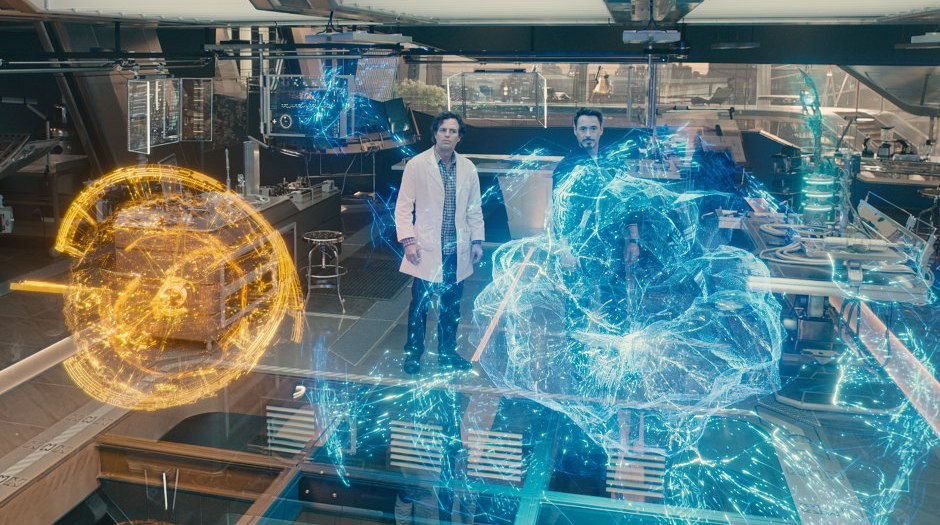
While I was on my mission, I heard about Chat GPT from an elder that I was serving with. He let me and my companion use his account to create lesson plans and short stories for our English class once a week. The first time we used it, we sat in front of the computer, open-mouthed, as a story of perfect length and difficulty for our students wrote itself in a matter of seconds. I was fascinated.
On returning home, I realized that the concept of AI had permeated throughout pop culture, and it was a highly debated topic of interest. My professors discussed it in classes, kids using were using to write papers, and there were suddenly AI influencers?
Basically, AI had taken over the world.
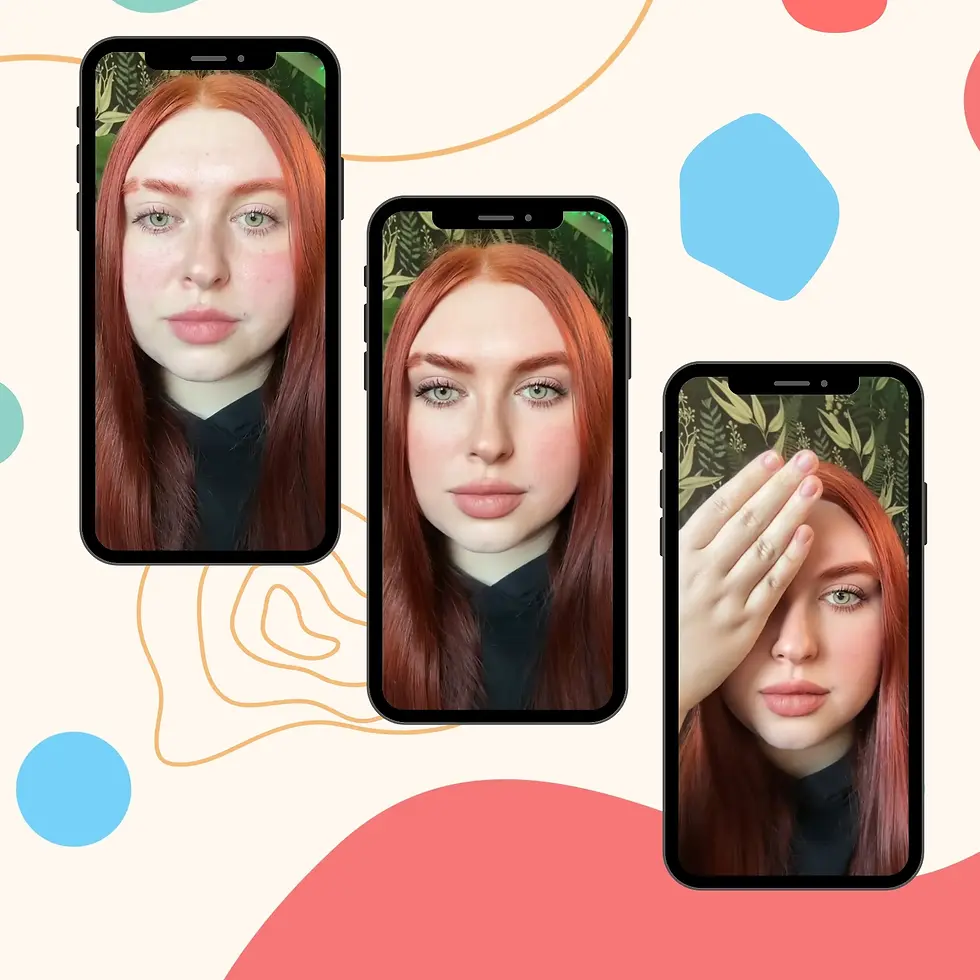
Recently, I learned that AI falls into a category of media called synthetic media. Here's the definition: content- video, images, words, etc- that has been partially or fully created by computers. Everything that you just thought of a minute ago- interactive search engines, apps that change your face, and synthetic voices on social media- it's probably AI. Synthetic media makes it easier than ever to create and distribute content because it's all digitally created. We're jumping into a new age of technology, where pretty much ANYONE will be able to create content with the click of a few buttons.
Cool, right?
It is pretty amazing. So many opportunities and open doors. So much room for new ideas and innovation. I am excited to learn more about what is now available to me using AI for multiple aspects of my life.
But there are also downsides.
Because this technology is so new and few people truly understand it, it is harder than ever to tell what is real and what is fake. Manipulation, misinformation, and false implications are all prevalent in this newer form of media. It is important to develop an attitude and practices of media awareness and literacy. This has always been a good skill to have, as it has been proved time and time again that technology can be both extremely helpful and harmful.
Media literacy is being able to analyze, decode and interpret what we consume in the media to determine its credibility. For example, when we read an article in the news, we have to be smart. What are the sources? What agenda does this news platform have? What are their political views? All of these things influence an article's credibility.
Here's a link to a short video that explains what media literacy is and why it is important in today's world.
The same goes for new media such as AI. When you see a video of a celebrity saying pretty controversial stuff, you must ask yourself- is this real or fake? And how can I tell? Every piece of media has context- social clues surrounding its publication. These contexts can give us a lot of information before we make a conclusion.
Media literacy is an essential skill for navigating the ever-changing landscape of media. Developing these abilities takes time, but they help us stay safe and avoid deception. To me, it is clear that the rising generation, who are so consumed in and surrounded by digital media, will need it more than ever.
So the next time you scroll on social media, pay attention to the clues you see. And remember that you are totally capable of outsmarting AI. ;)




Comments